
UAT Digital Maker and Fabrication - Boards
Demonstrate the ability to evaluate material and build technique options during the creation of products and their prototypes.
Airplane Assembly [DBM100]
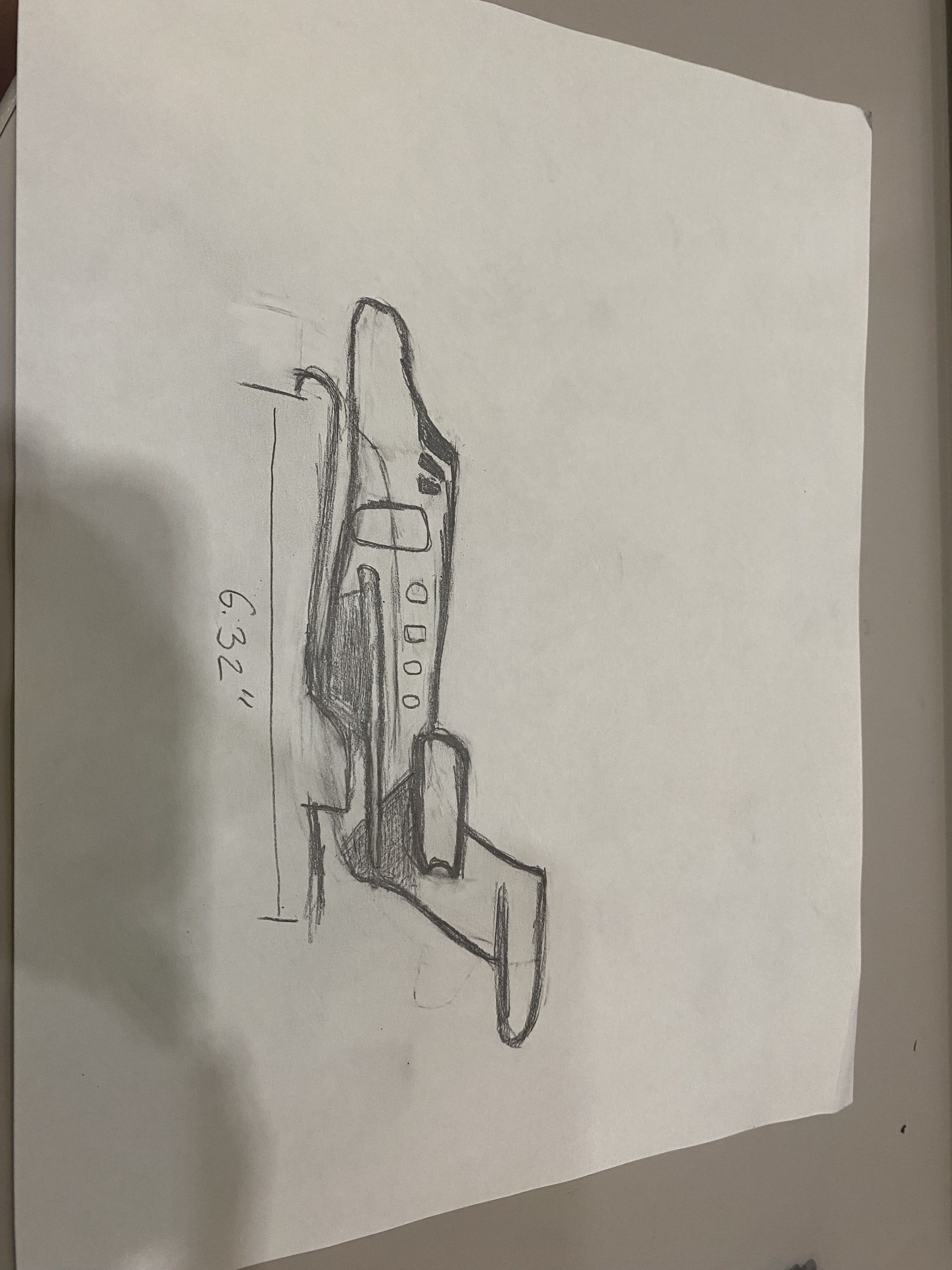
Designed an airplane inspired by the Cessna Citation X.
Objective Reasoning: Demonstrates the use of digital and physical fabrication tools to engineer and produce a physical prototype of an aircraft-inspired assembly. The design was translated from CAD into a manufactured part using additive manufacturing, requiring consideration of printability, tolerances, and part segmentation where necessary. ABS was selected as the fabrication material due to its favorable strength, durability, and UV resistance characteristics, aligning material choice with the intended use of the final prototype. This reflects the full workflow of moving from digital concept to engineered physical prototype through appropriate fabrication and material decisions.
Media
3D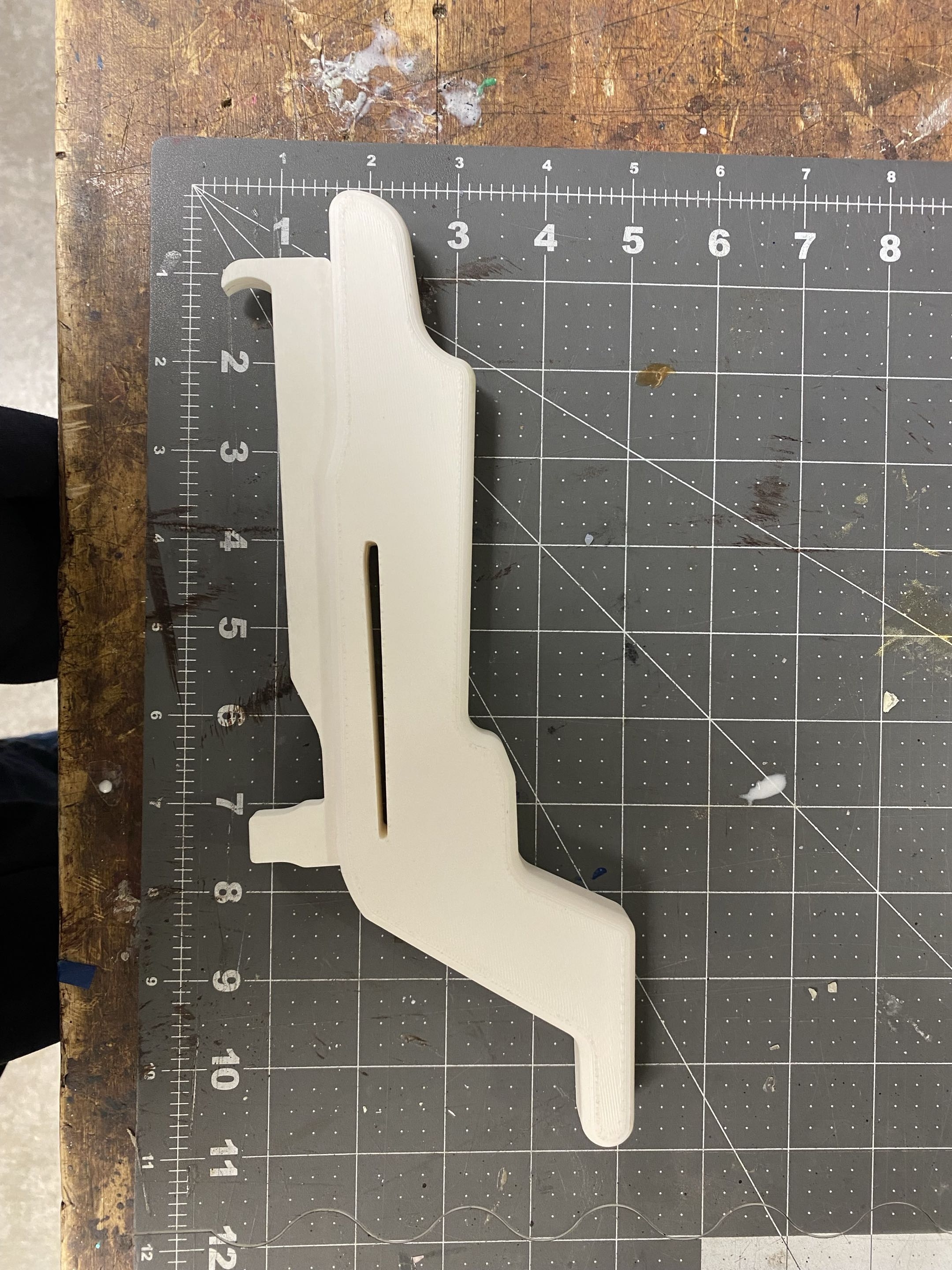
Cardboard Marble Run [DBM215]
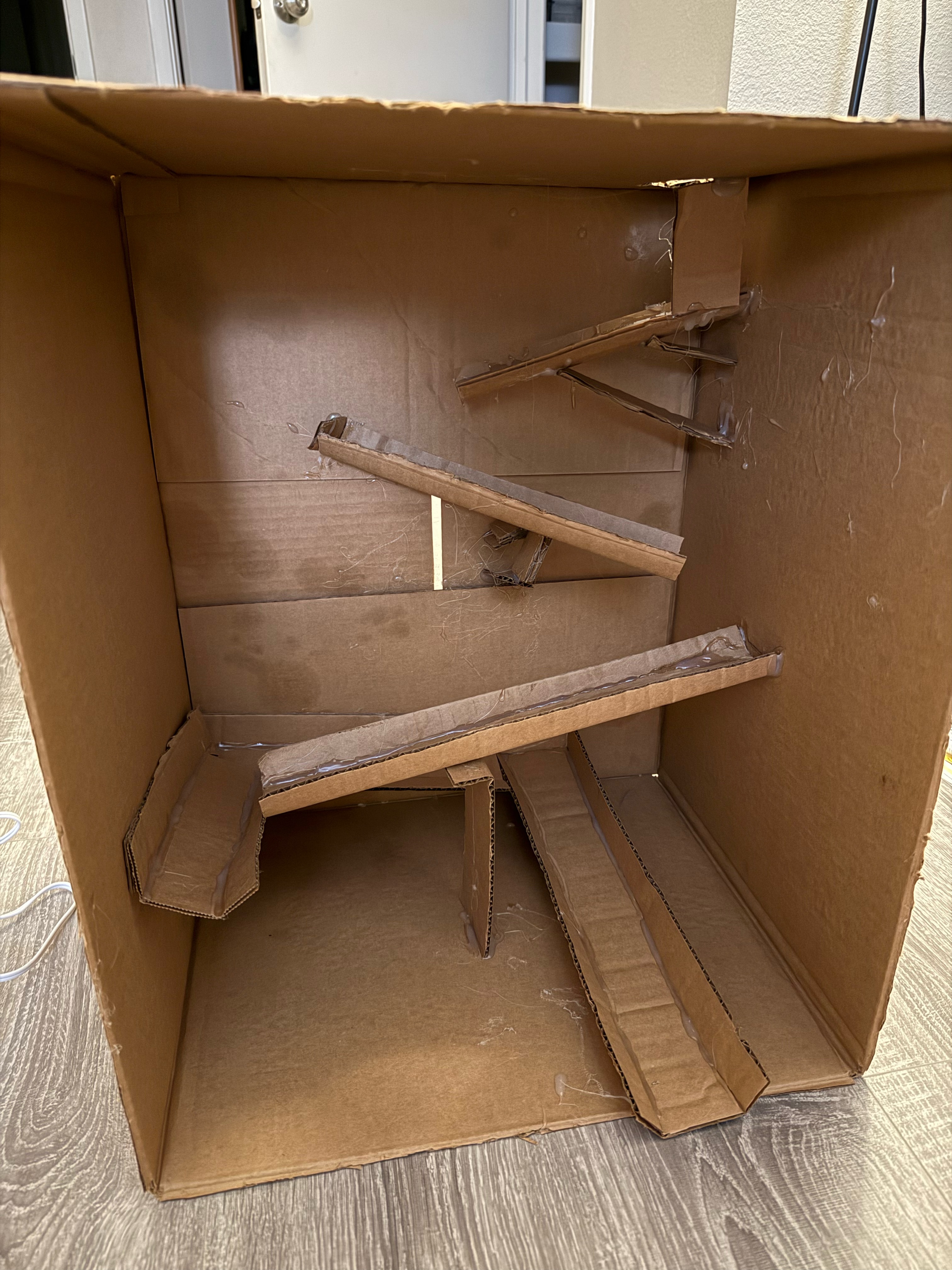
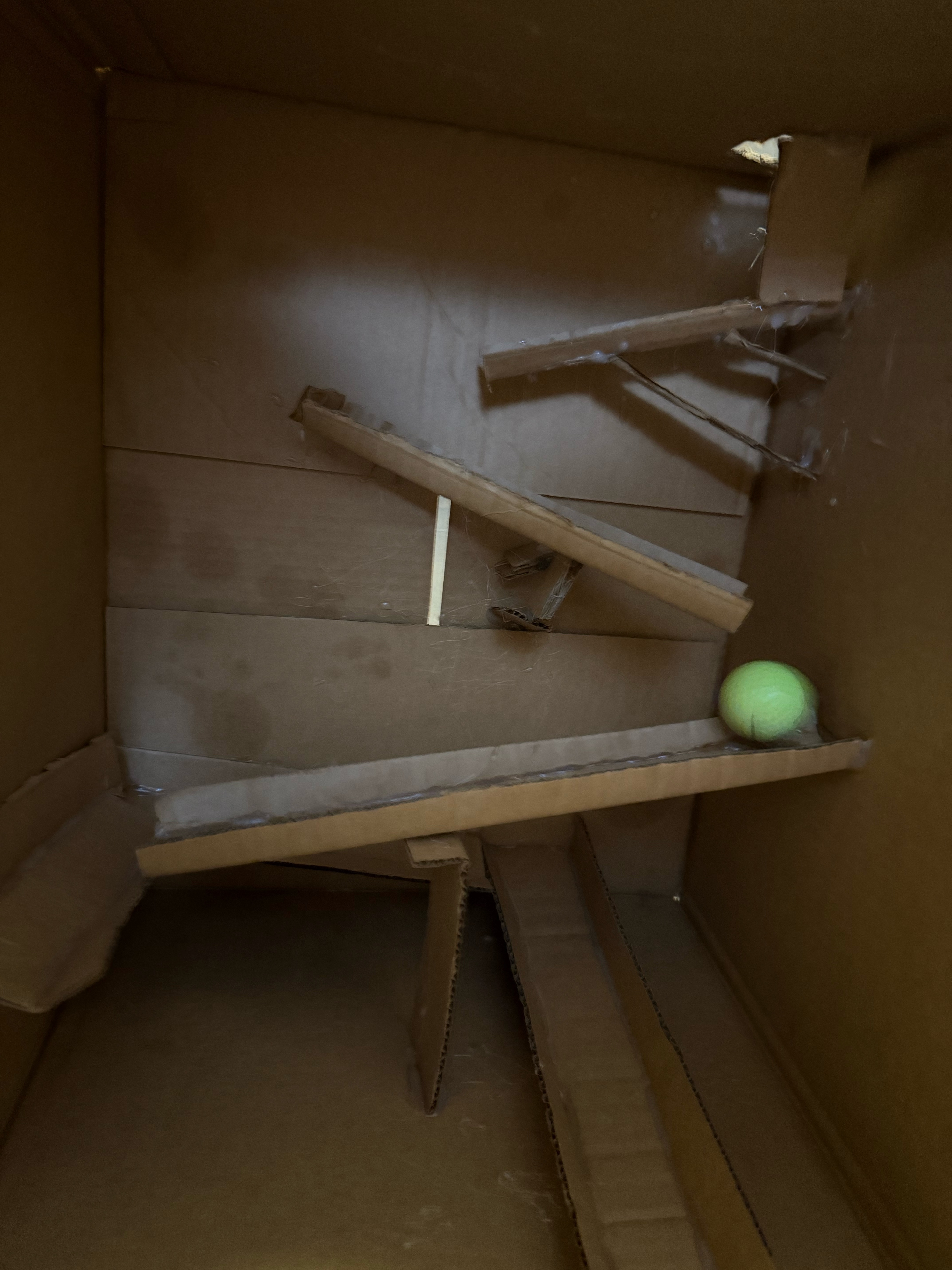
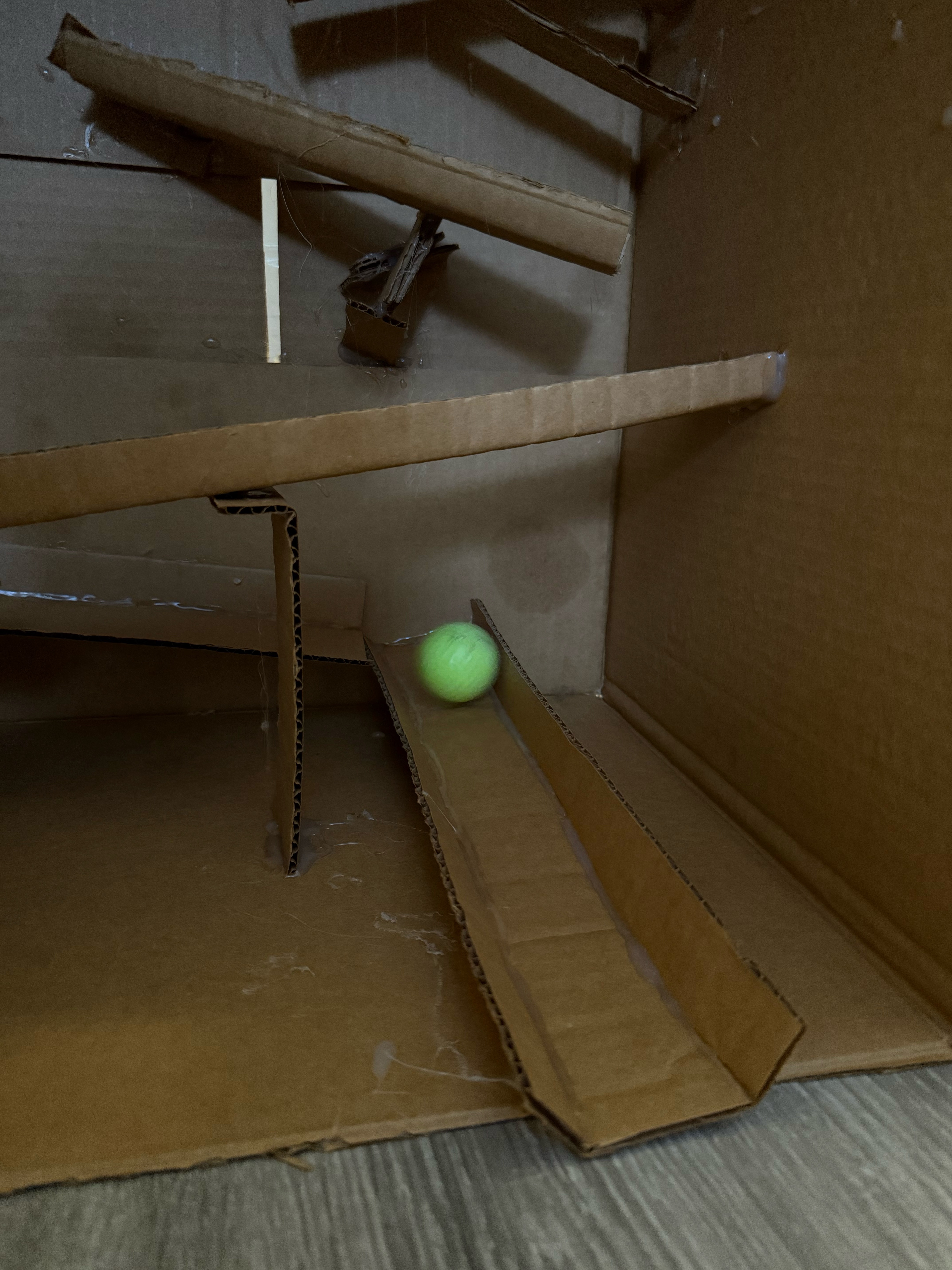
Designed and built a marble run using cardboard as the primary construction material, focusing on structural stability, flow control, and iterative design of pathways to guide marble movement.
Objective Reasoning: Demonstrates the use of physical prototyping tools and techniques through the construction of a functional marble run using cardboard as the primary material. The project involved translating a conceptual design into a physical structure using hands-on fabrication methods, including cutting, assembly, and iterative adjustments to improve performance. Working within the constraints of cardboard required adapting digital or conceptual ideas into practical build decisions that account for material limitations and structural behavior. This reflects the ability to use accessible materials and fabrication techniques to produce functional prototypes through iterative physical development.
Media

▶
Demonstrate the ability to effectively implement embedded systems and fundamental electronics into product builds.
Horn Control Board [BUS200]
Allows the user to create and use custom horn sounds on their vehicle.
Objective Reasoning: Demonstrates the development of a functional electronic product intended for real-world automotive integration, requiring consideration of installation constraints, reliability, and user-facing functionality. The horn control board is designed to operate within a vehicle environment, accounting for practical factors such as power delivery, component protection, and compatibility with automotive systems. By targeting the project for potential productization, the design extends beyond prototype-level functionality and incorporates real-world use case considerations. This reflects the ability to engineer embedded electronic systems into practical, deployable consumer products.
Media

▶
PDFUltrasonic Alarm Clock [SIP405]
An alarm clock using ultrasonic transducers to produce directional sound to specifically wake specific people instead of the entire room.
Objective Reasoning: Integrates an embedded system and electronic components into a functional product by combining an ESP32-based controller with ultrasonic transducers to produce directional audio output. The project demonstrates the implementation of microcontroller-driven signal generation, user interface components, and audio control within a cohesive system. Multiple hardware elements, including storage, display, and sensors, are coordinated through software to achieve reliable operation and real-time responsiveness. This reflects the practical application of embedded systems in product design, where electronic components are not only included but actively integrated to deliver a unique and functional user experience.
Stars 1
Media
PDFC 88%
C++ 12%
Place prototype and builds within the Agile and MVP development frameworks.
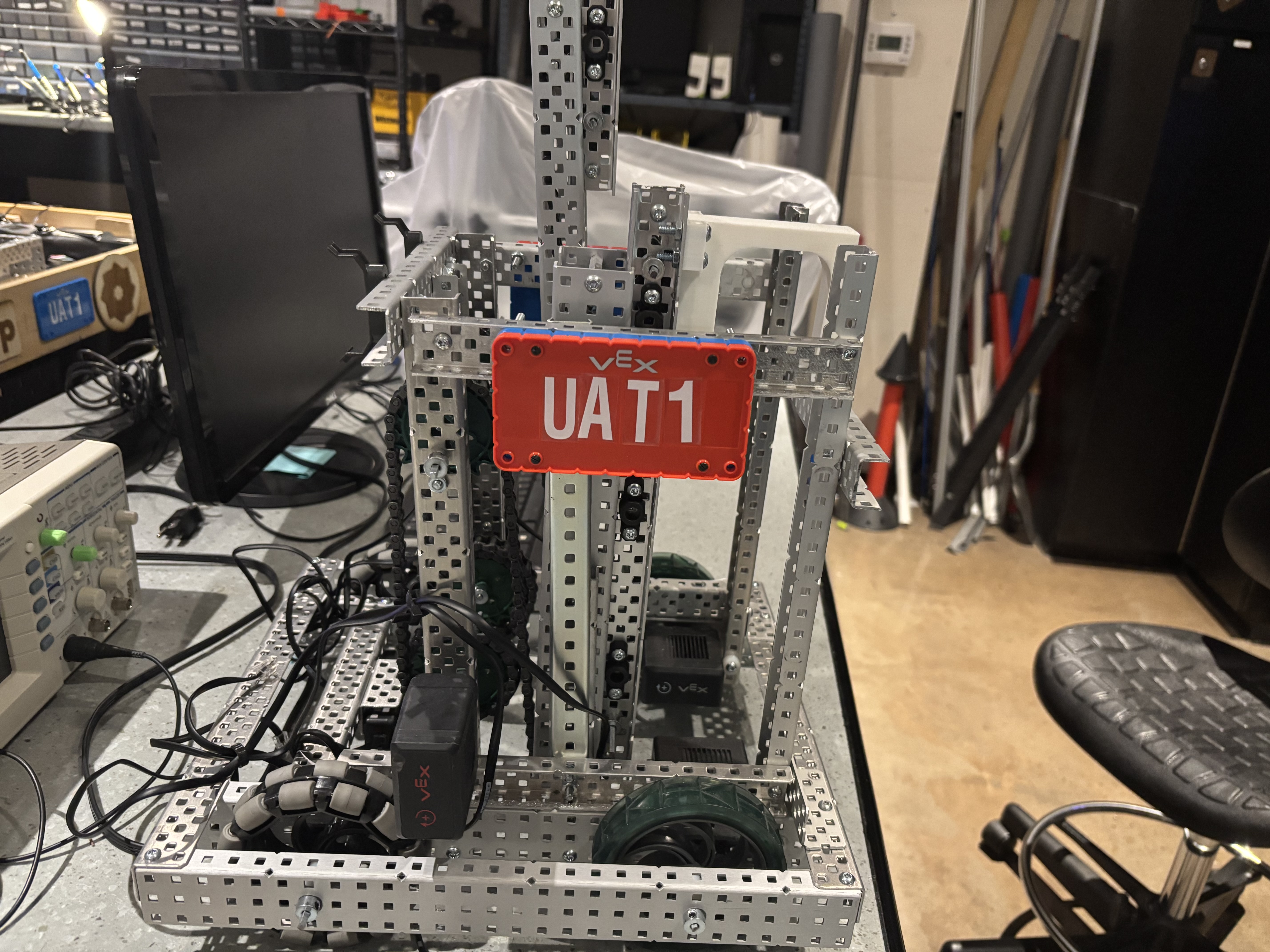
Vex High Stakes [PDS300]
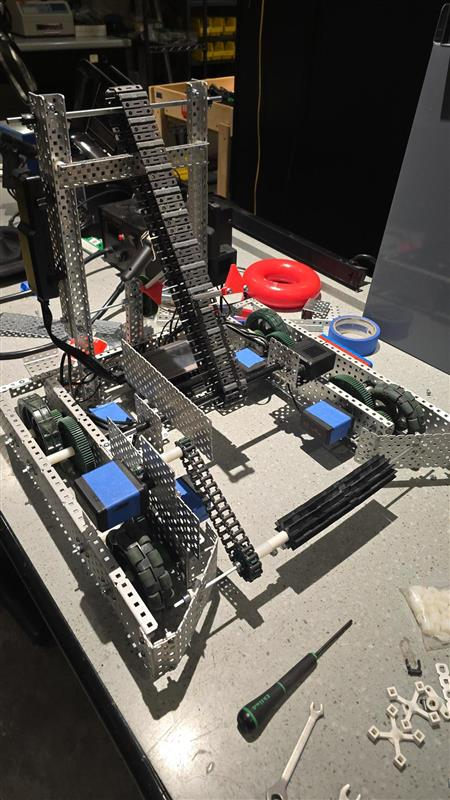
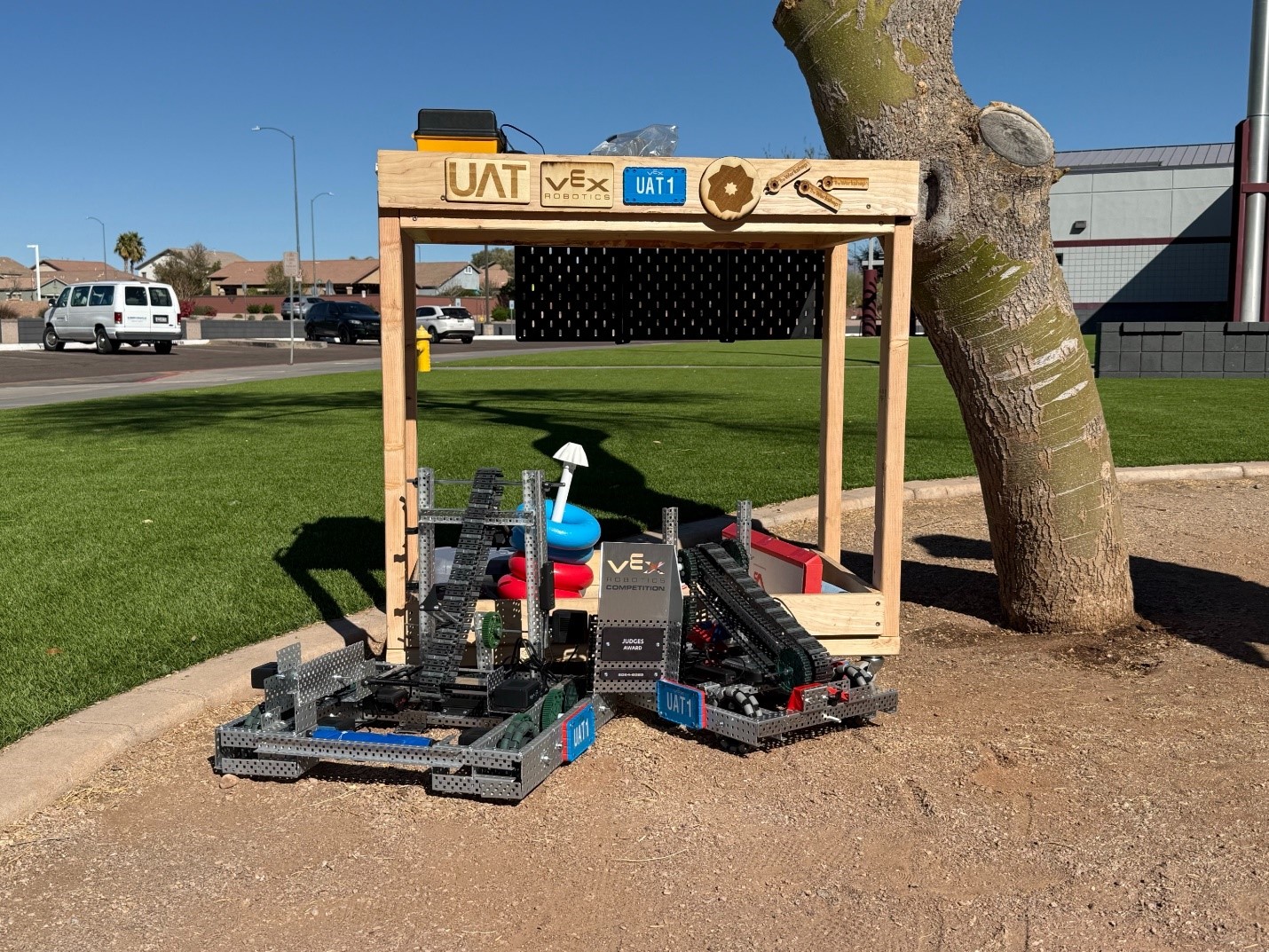
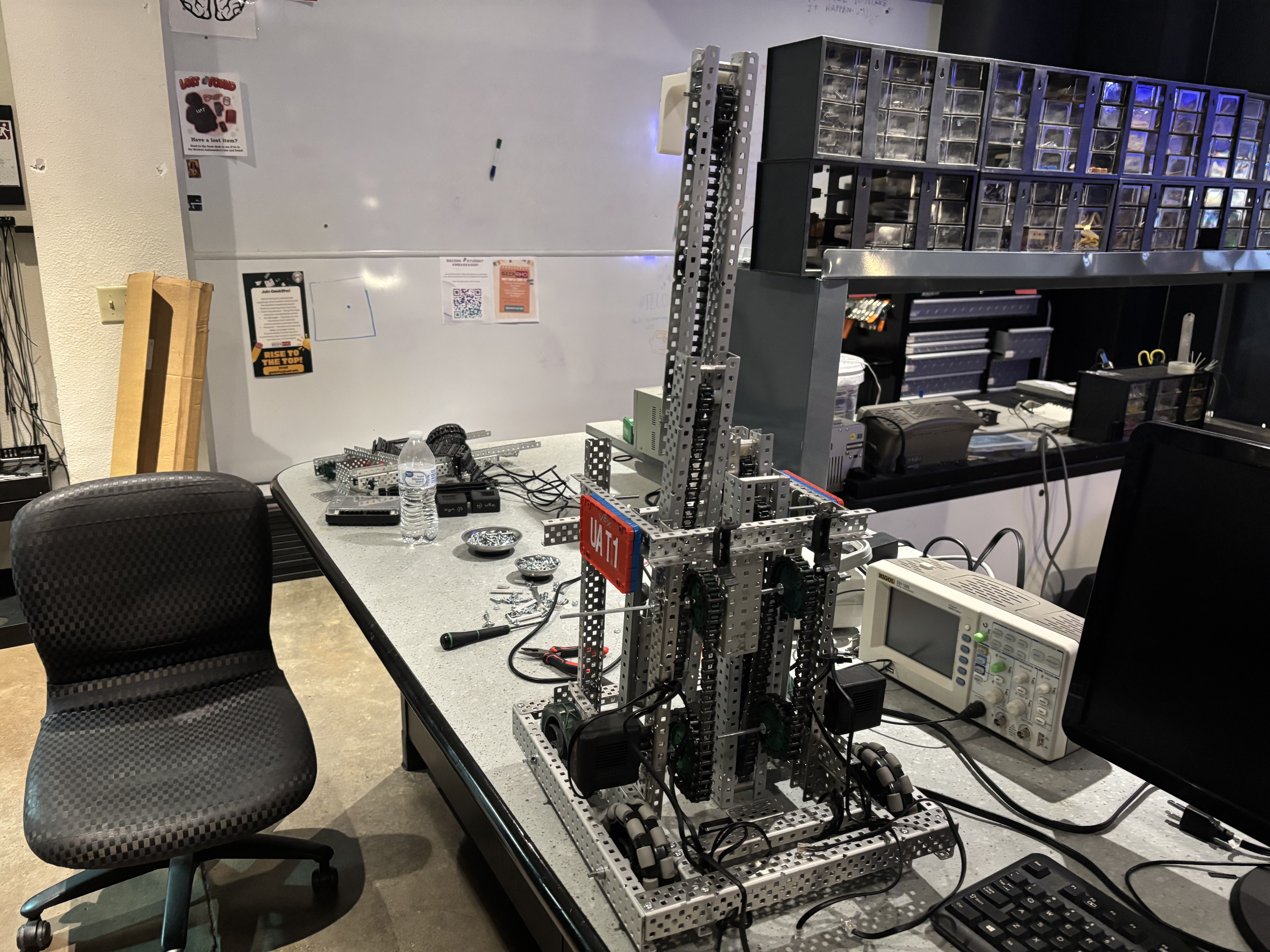
Designed a robot to compete in the Vex robotics competition.
Objective Reasoning: Demonstrates Agile and MVP development through the rapid design and iteration of a competition robot under strict time and resource constraints. The project began with a minimal viable system focused on achieving basic scoring functionality, allowing early validation of core concepts before expanding capabilities. Iterative improvements were made throughout the five-week development cycle, refining mechanism reliability, control precision, and overall system efficiency based on testing and competition feedback. Limited material availability required prioritization of essential features and creative reuse of components, reinforcing MVP principles by focusing on high-impact functionality first. The final system reflects a complete Agile workflow, where continuous iteration, constraint-driven decision making, and incremental improvements led to a competitive and award-winning design.
Media

▶
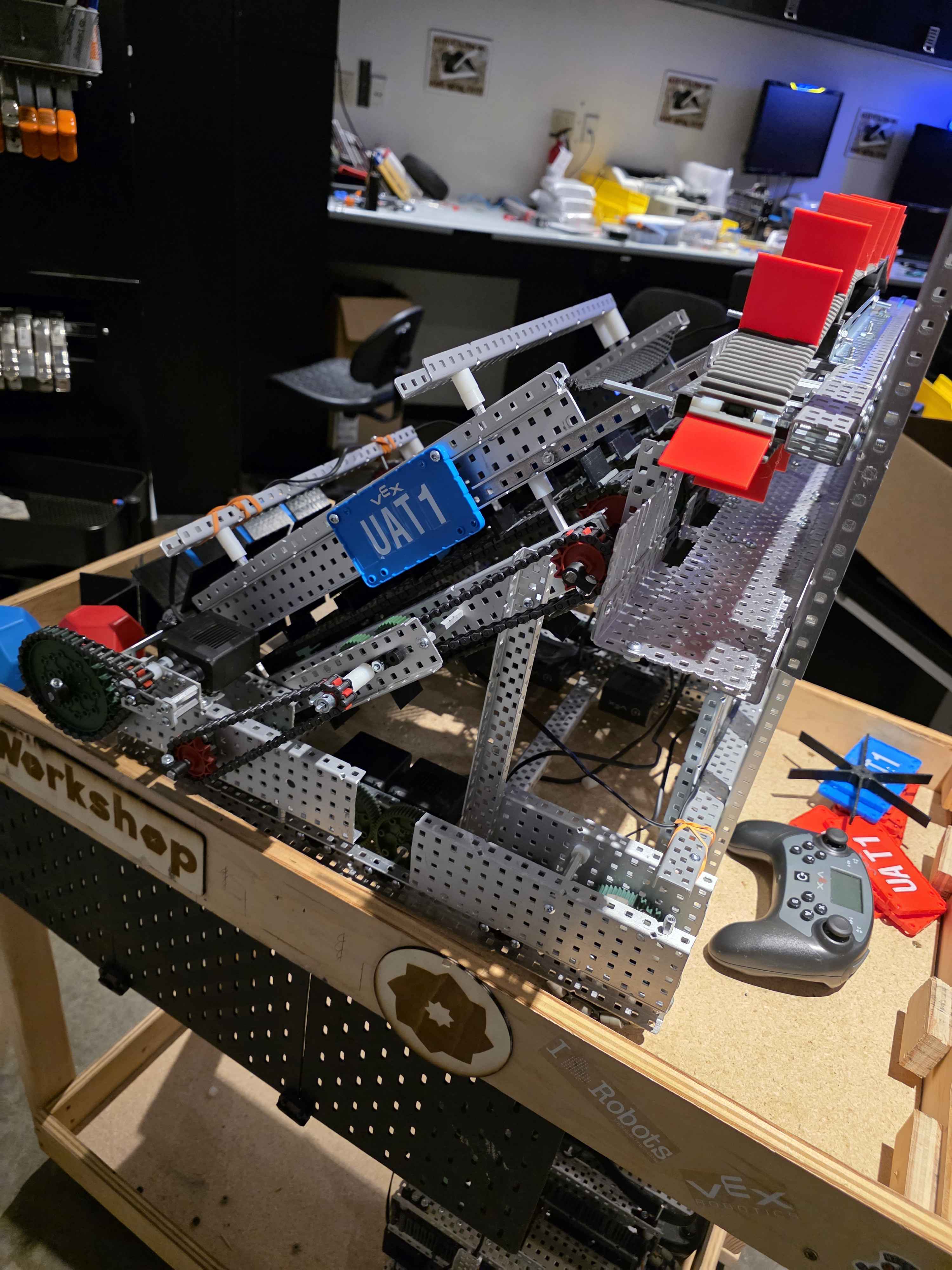
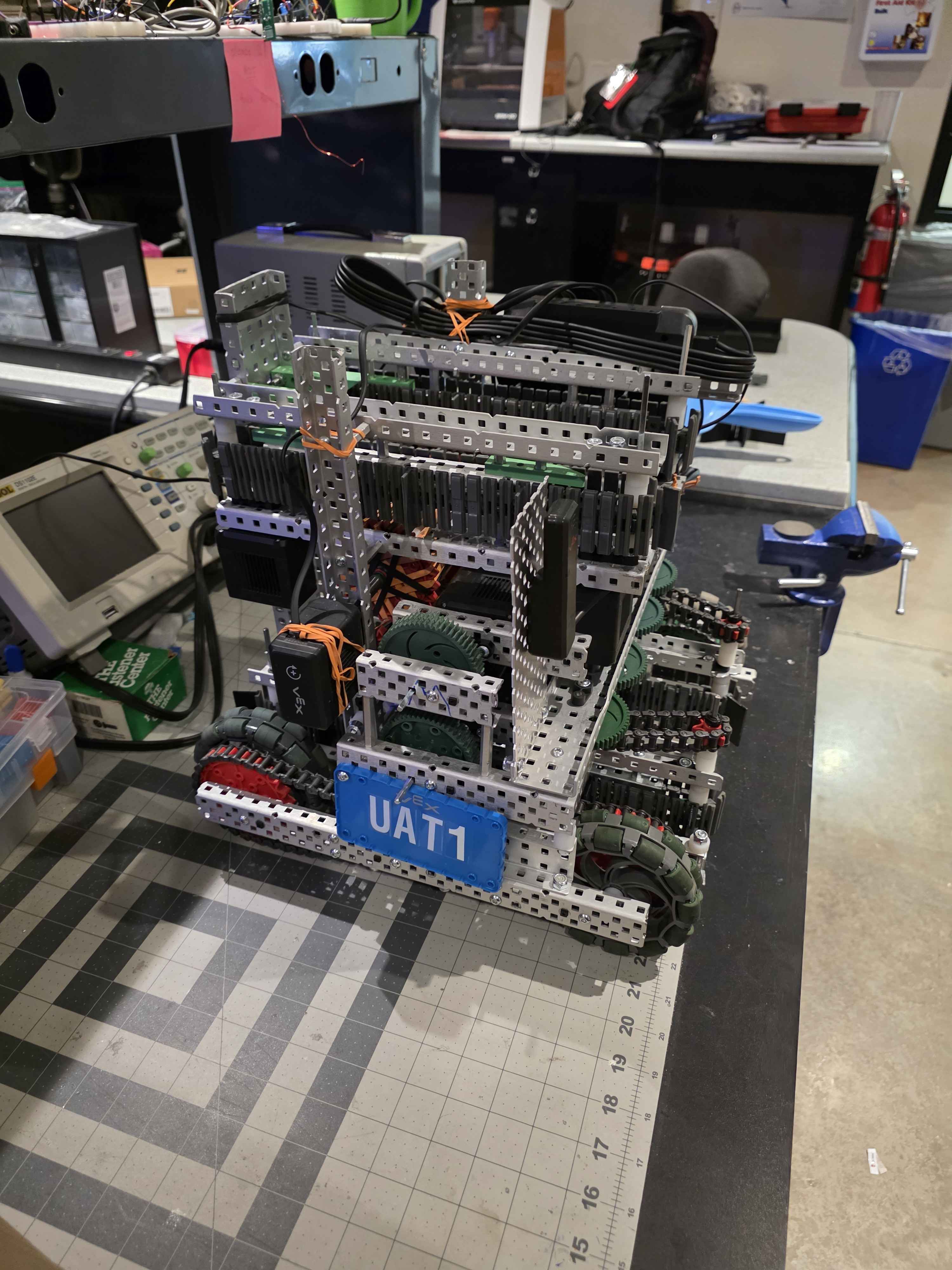
Vex Pushback [PDS400]
Designed a robot to compete in the Vex robotics competition.
Objective Reasoning: Demonstrates Agile and MVP development through the iterative design and refinement of a competition robot built under limited material and time constraints. The project began with a minimal viable drivetrain and basic game interaction functionality, allowing early testing of mobility and control before expanding system capabilities. Successive iterations focused on improving structural stability, traction, and game performance based on testing outcomes and competition feedback. Resource limitations required prioritization of essential functions and efficient use of available materials, reinforcing MVP principles by focusing on core performance before refinement. The final system reflects an iterative engineering workflow that culminated in a 2nd place finish and qualification for the VEX U World Championship, validating the effectiveness of the development process under real-world competitive conditions.
Media

▶
Create product designs that incorporate engineering factors using solid modeling and design tools.
Airplane Assembly [DBM100]
Designed an airplane inspired by the Cessna Citation X.
Objective Reasoning: Evaluates design and fabrication considerations through the digital modeling and structural planning of a complex multi-component aircraft assembly in Fusion 360. The project required consideration of part geometry, assembly relationships, and manufacturability to ensure the design could be accurately fabricated and assembled as a physical prototype. Structural and aesthetic features were balanced to maintain fidelity to the Citation X inspiration while remaining practical for additive manufacturing. This demonstrates the ability to apply digital design tools in conjunction with fabrication-aware engineering decision making.
Media
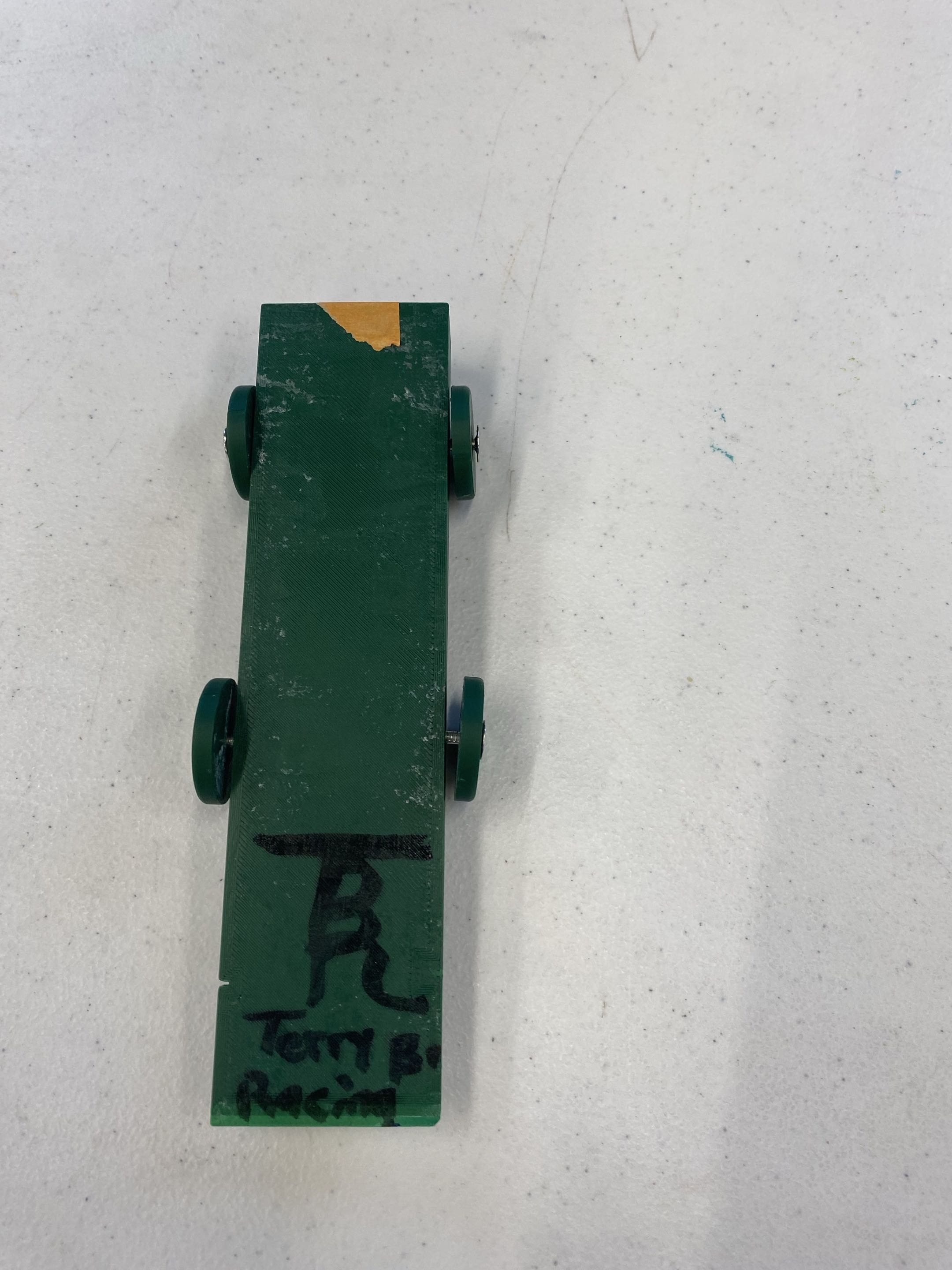
3DDigital Derby
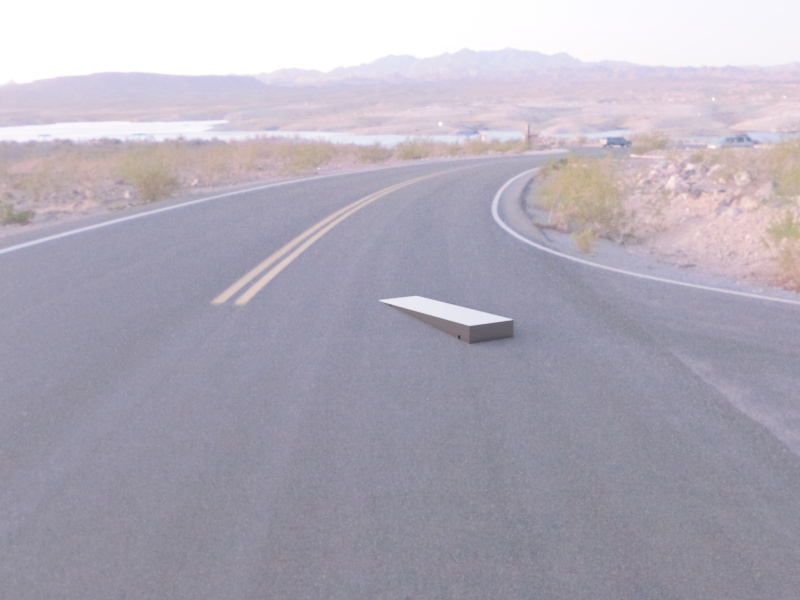
Designed a car for a Pine Wood Derby-style competition
Objective Reasoning: Evaluates material and fabrication considerations by designing and producing a pinewood derby car optimized for 3D printing. The project accounts for additive manufacturing constraints such as layer orientation, structural strength, and tolerance for axle and wheel interfaces. Design decisions balance performance goals, such as weight distribution and stability, with the limitations and advantages of the chosen material and printing process. This demonstrates the ability to align material properties and manufacturing techniques with functional design requirements in a complete prototyping workflow.
Media
▶
Build physical products while demonstrating technique and safety competency across commonly accepted prototyping devices and maker tools and techniques.
Cardboard Marble Run [DBM215]
Designed and built a marble run using cardboard as the primary construction material, focusing on structural stability, flow control, and iterative design of pathways to guide marble movement.
Objective Reasoning: Demonstrates proficiency with prototyping techniques and fabrication methods through the structural design and assembly of a cardboard marble run. Construction required the use of scoring techniques to create controlled bends, strategic adhesive application for joint strength, and reinforcement structures to maintain stability throughout the system. These methods were applied to guide marble movement through intentional pathway design while maintaining structural integrity across multiple segments. The project highlights practical understanding of how fabrication techniques directly influence performance, durability, and functionality in physical prototypes.
Media
▶
Horn Control Board [BUS200]
Allows the user to create and use custom horn sounds on their vehicle.
Objective Reasoning: Demonstrates proficiency in prototyping and integrating electronic subsystems through the implementation of a soundboard module, amplifier, and speaker into a cohesive audio output system. The project requires selection and coordination of multiple hardware components to ensure reliable signal flow, amplification, and sound reproduction. Integration of these components into a functional control board reflects practical experience in electronic assembly, subsystem interfacing, and prototype development. This showcases the ability to combine discrete modules into a polished and operational hardware solution.
Media
▶
PDFProduce products that balance form and function while reflecting current and future trends in design and human factors.
Modeling Belt Clip [DBM100]
Designs a custom belt clip using McMaster part 91290A115.
Objective Reasoning: Demonstrates consideration of form, function, and human factors through the design of a wearable belt clip intended for practical daily use. The geometry of the clip was developed to ensure secure attachment to a belt while maintaining ease of use for repeated attachment and removal. Design decisions account for ergonomic interaction, including how the user grips and applies force to the clip during use. The integration of McMaster-Carr hardware ensures mechanical reliability while influencing overall form and structural design. This project reflects the balance between functional performance, user interaction, and physical design constraints typical of consumer product development.
Media
3D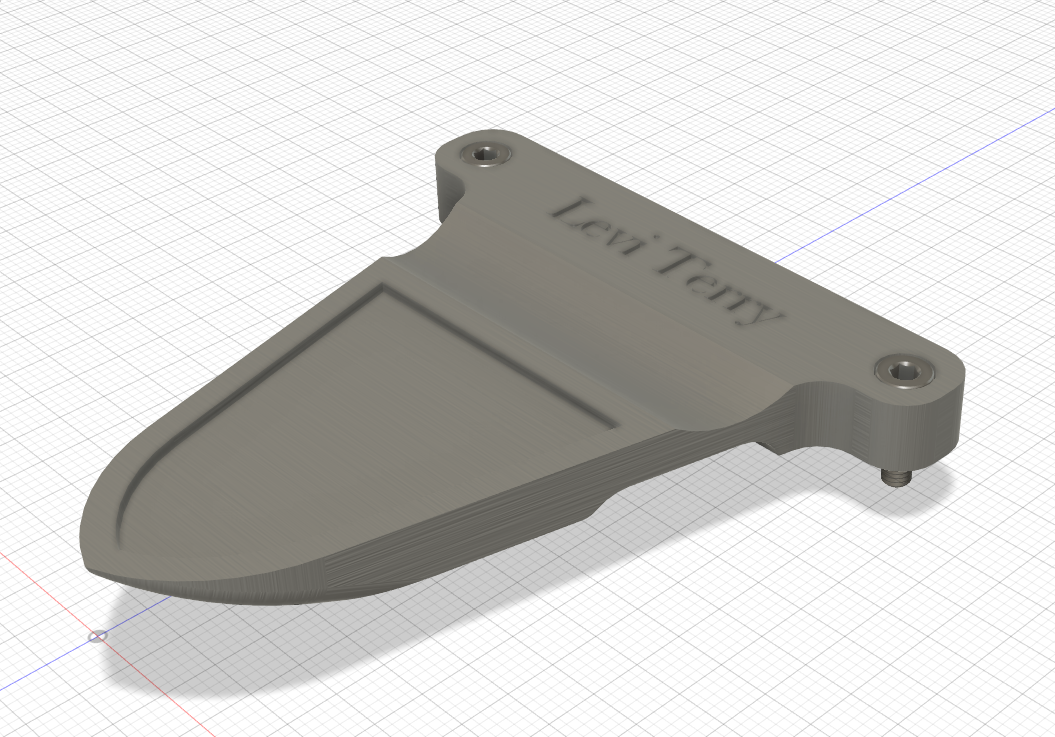
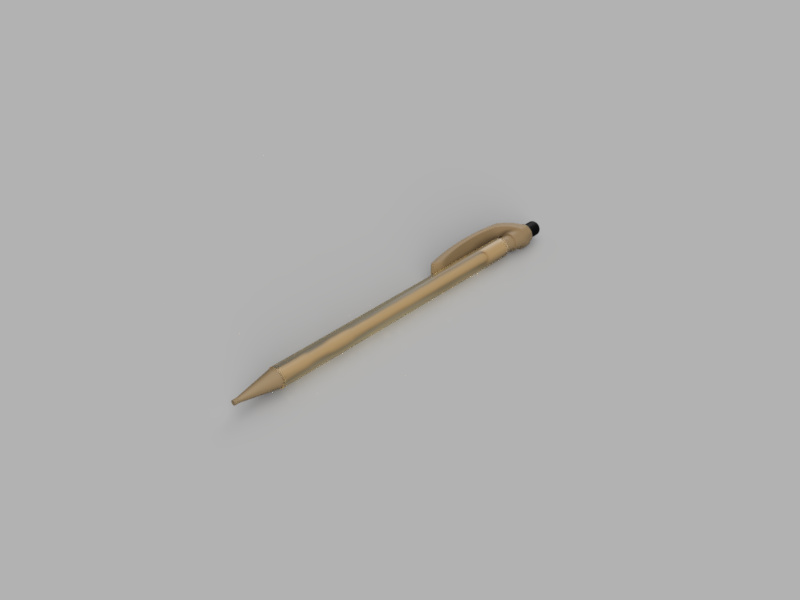
Project Pen Assembly [DBM100]
Create a pen with multiple components and form an assembly
Objective Reasoning: Designs a multi-component pen that balances functional performance with ergonomic and aesthetic considerations. The project accounts for how the pen is held and used, influencing decisions related to shape, size, and component layout to improve comfort and usability. Form and structure are developed together to ensure the product is both visually cohesive and mechanically functional. This demonstrates how product design integrates human factors and usability alongside technical requirements.
Media

▶